

Household Products Can Be Dangerous So Always Read the Back
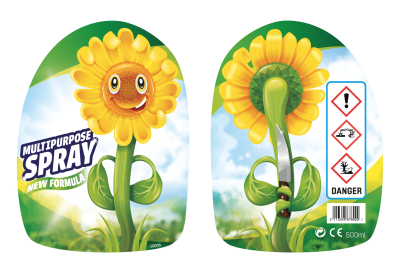
Chemical products play an important role in everyday lives. While many some of these products aren’t dangerous and don’t have a potential to cause harm if used properly, some require more careful handling than others. The information on the label on the back of the product should help you identify the dangers and advise you how to use chemical safely. Therefore, it is really important that you always read the label on the back of the product before you use it.
How will you know if a product is dangerous?
Household products that contain dangerous chemicals require labels on the package to inform you of the potential dangers, and safe use and disposal of the product. A label will include:
- the name of the chemical product,
- the name, address and telephone number of the EU based supplier of the chemical product,
- pictogram(s) to help you see the potential hazard,
- a signal word to alert you to the severity of the danger,
- statements that tell you what the dangers are and what safety measures are required,
- unique formula identifier (UFI) for use of poison centre in event of an emergency,
- nominal quantity.
What kind of chemical dangers are there?
There are three main dangers:
- Physical: Such as flammable which means the chemical may catch fire easily
- Human Health: Such as irritating to skin which means the chemical might give you a rash such as dermatitis
- Environmental: Such as ozone depleting chemicals might cause long term damage to the ozone layer.
Using chemicals safely
To stay safe when using chemicals, always read the label and follow the instructions carefully.
In addition, it’s advisable to follow these guidelines:
- only use as much as you need
- if a chemical is dangerous, remove children, pets and their toys from the area for as long as is recommended on the label
- properly ventilate the area by opening the windows – if recommended, wear gloves, long sleeves and a mask
- don't leave chemicals unattended
- do not combine different chemicals - it’s dangerous to combine two household cleaners, chlorine bleach and ammonia, as this forms a highly toxic gas,
- after using chemicals, wash any part of you that came into direct contact with the chemical with warm soapy water.
Storing and disposing of chemicals safely
Safely store chemicals by following the storage instructions on the label.
In addition, you should:
- not move chemicals into other containers – these containers might not be capable of safely storing the chemical, you might not remember what is in the bottle and children or other vulnerable users might mistakenly think the chemical is safe to eat or drink
- keep all dangerous chemicals out of the reach of children and vulnerable people or locked up
- never store dangerous chemicals near food or food products
- keep dangerous chemicals away from items used to prepare and cook foods, like pots, pans and cooking utensils.
If a chemical is leaking or expired, you should dispose of it. Never pour chemicals down the drain – remember that your drainage ends up in seas and rivers. Instead make sure you:
- follow the advice on the label
- take it to your local civic amenity site (waste and recycling centre), who can get rid of it safely.
If you have an accident with a dangerous chemical
If you or a member of your family swallow or come into contact with a potentially dangerous chemical, you must seek medical attention by contacting your local GP or the National Poison Information Centre at Tel: 01 809 2166 or www.poisons.ie who can provide advice or information.